




































Cotton vs. Synthetic: Why Cotton Wins Every June
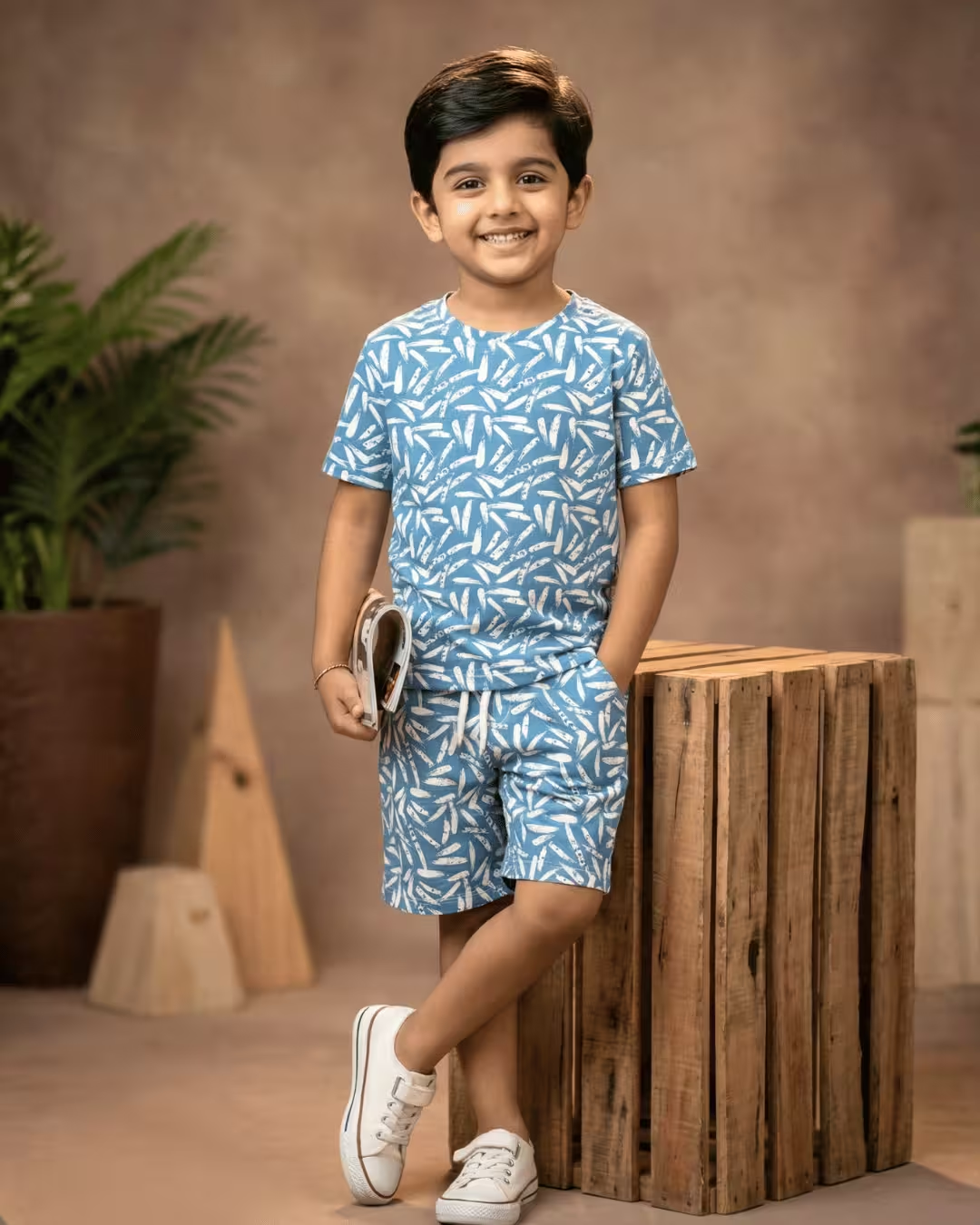
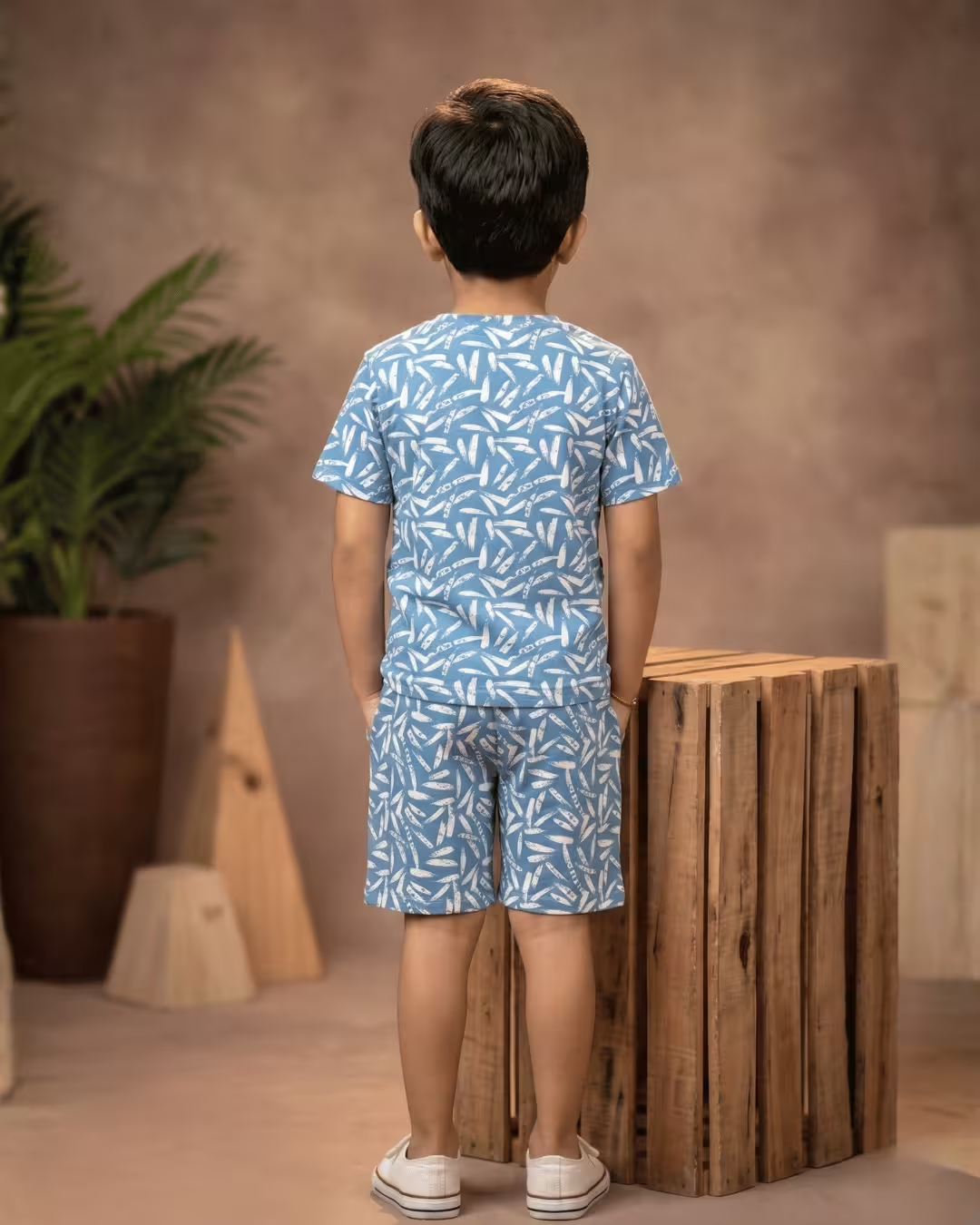
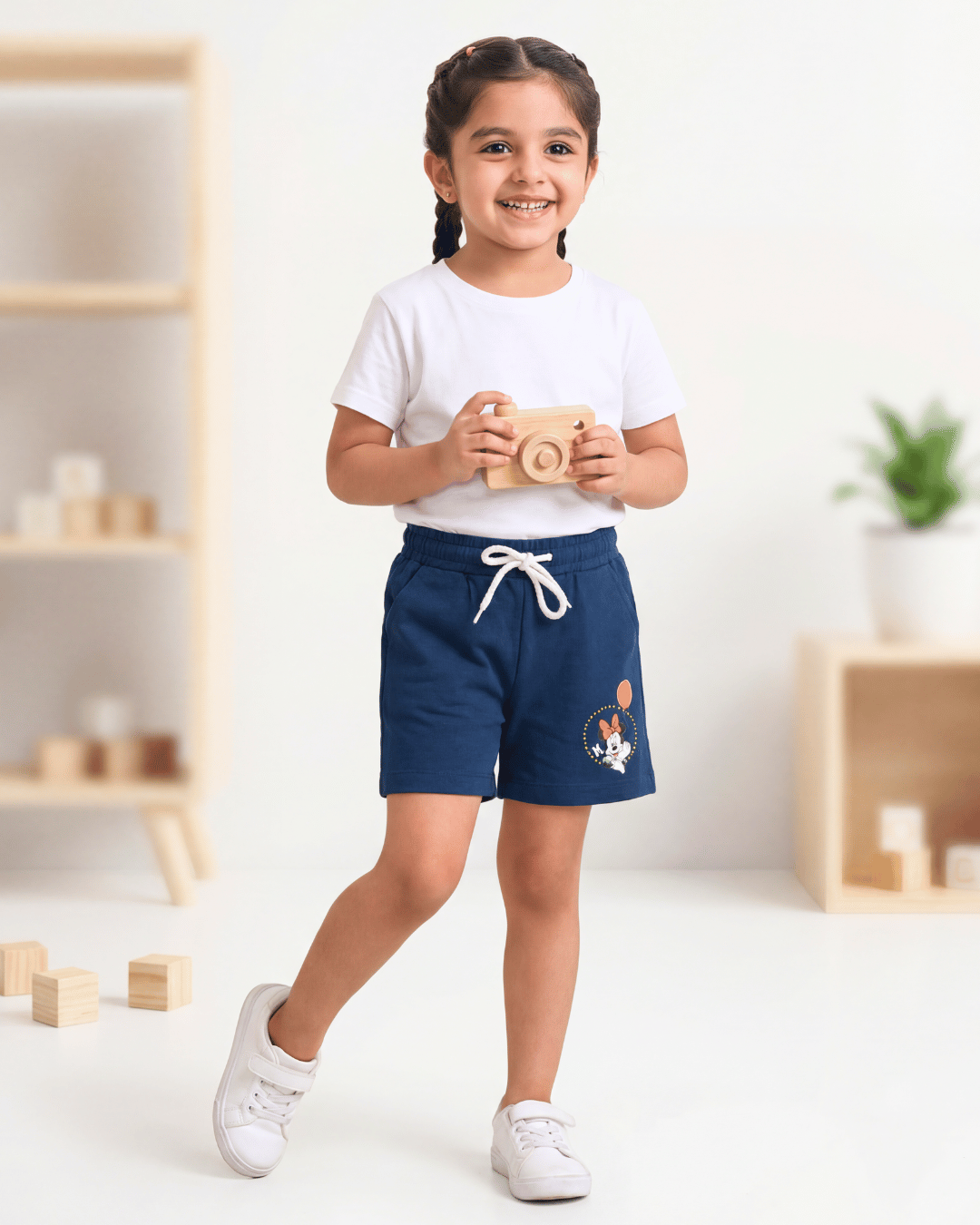
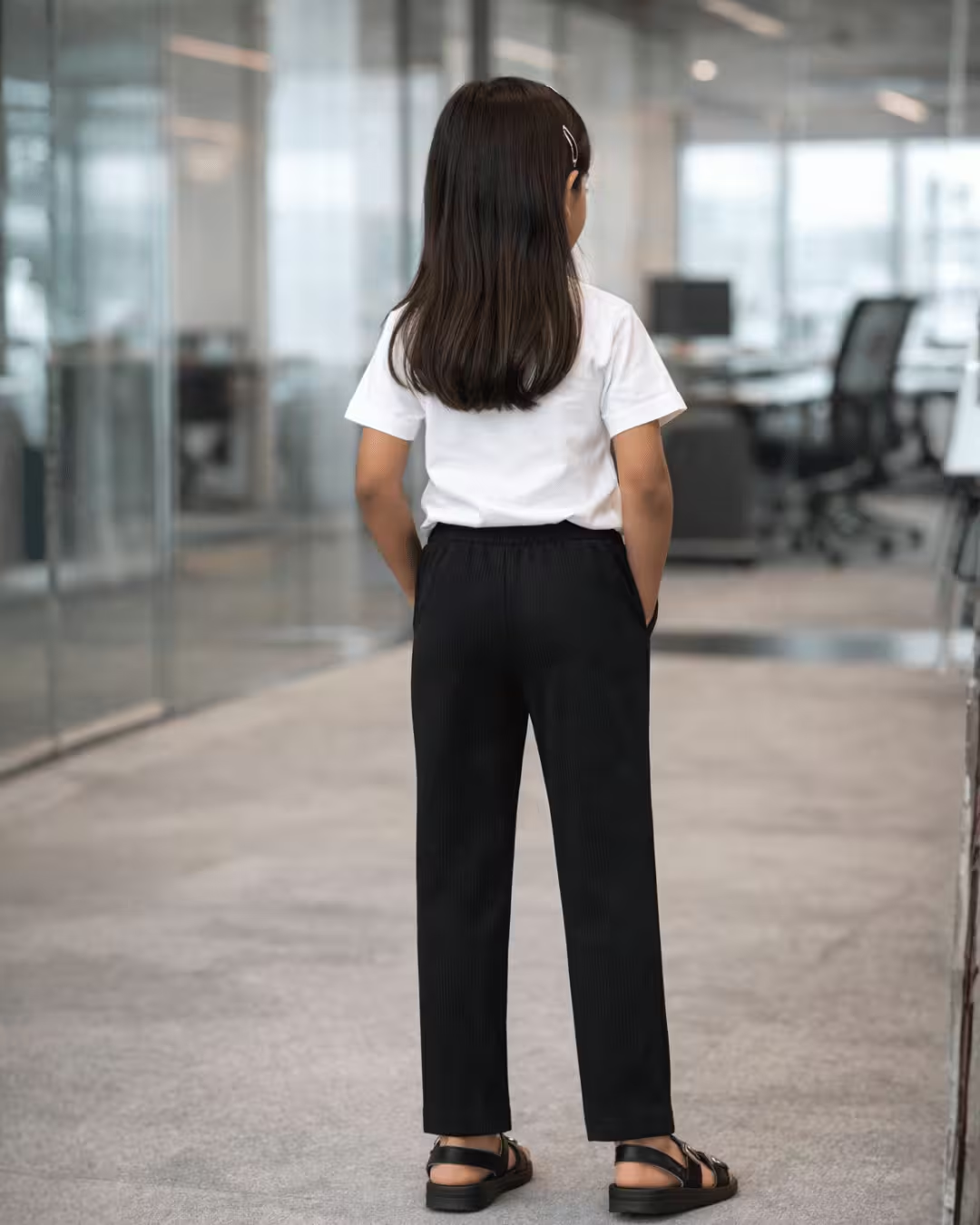
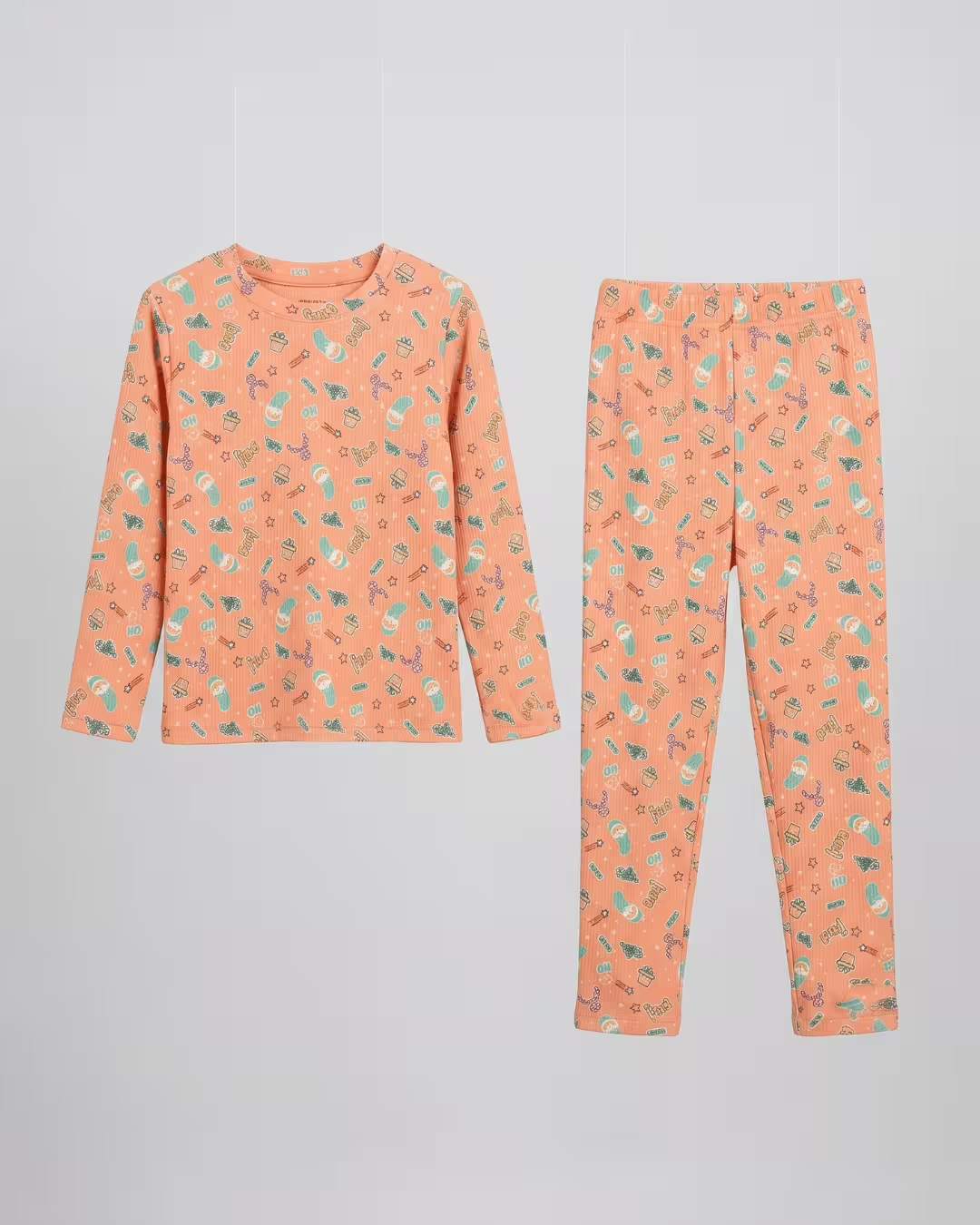
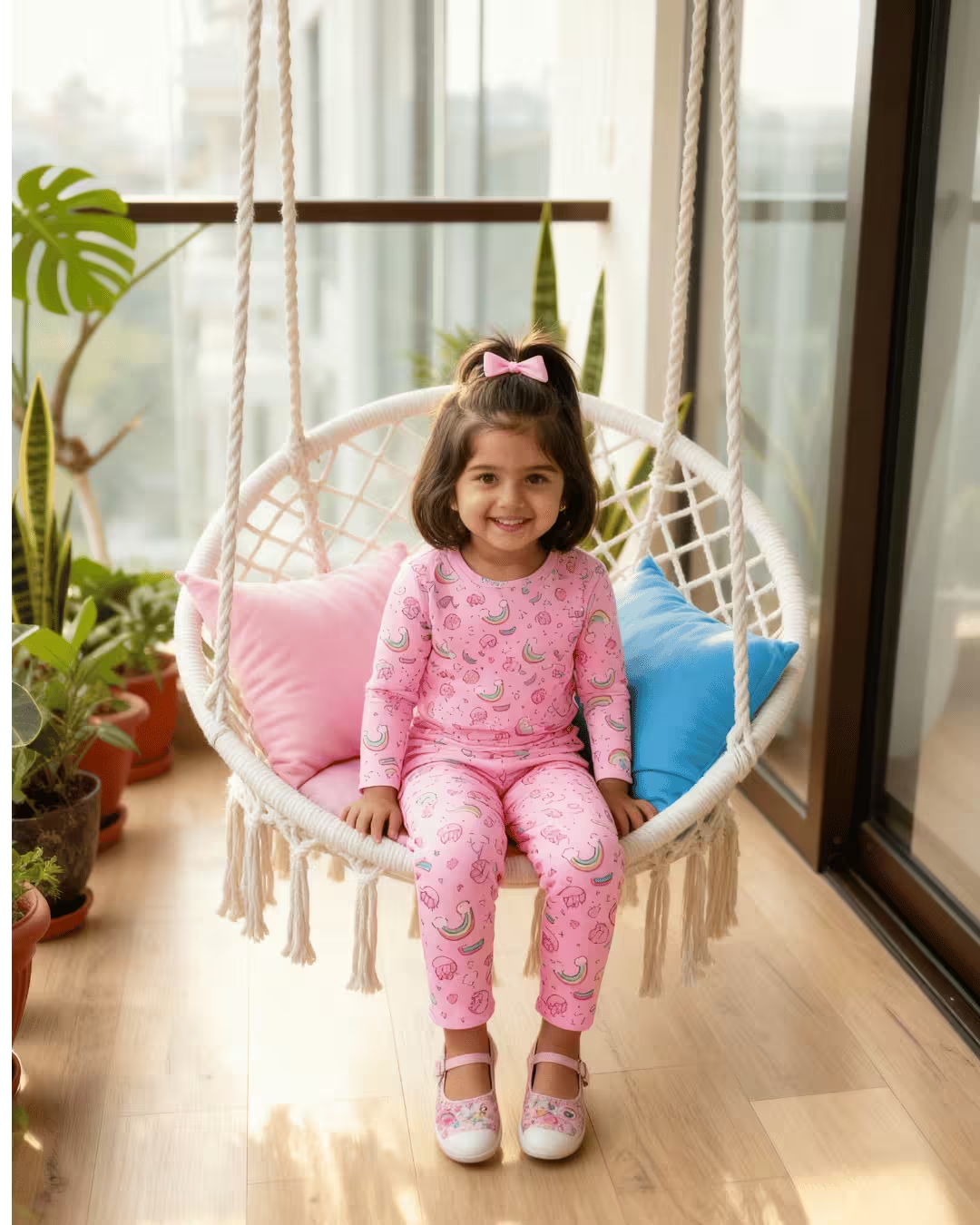
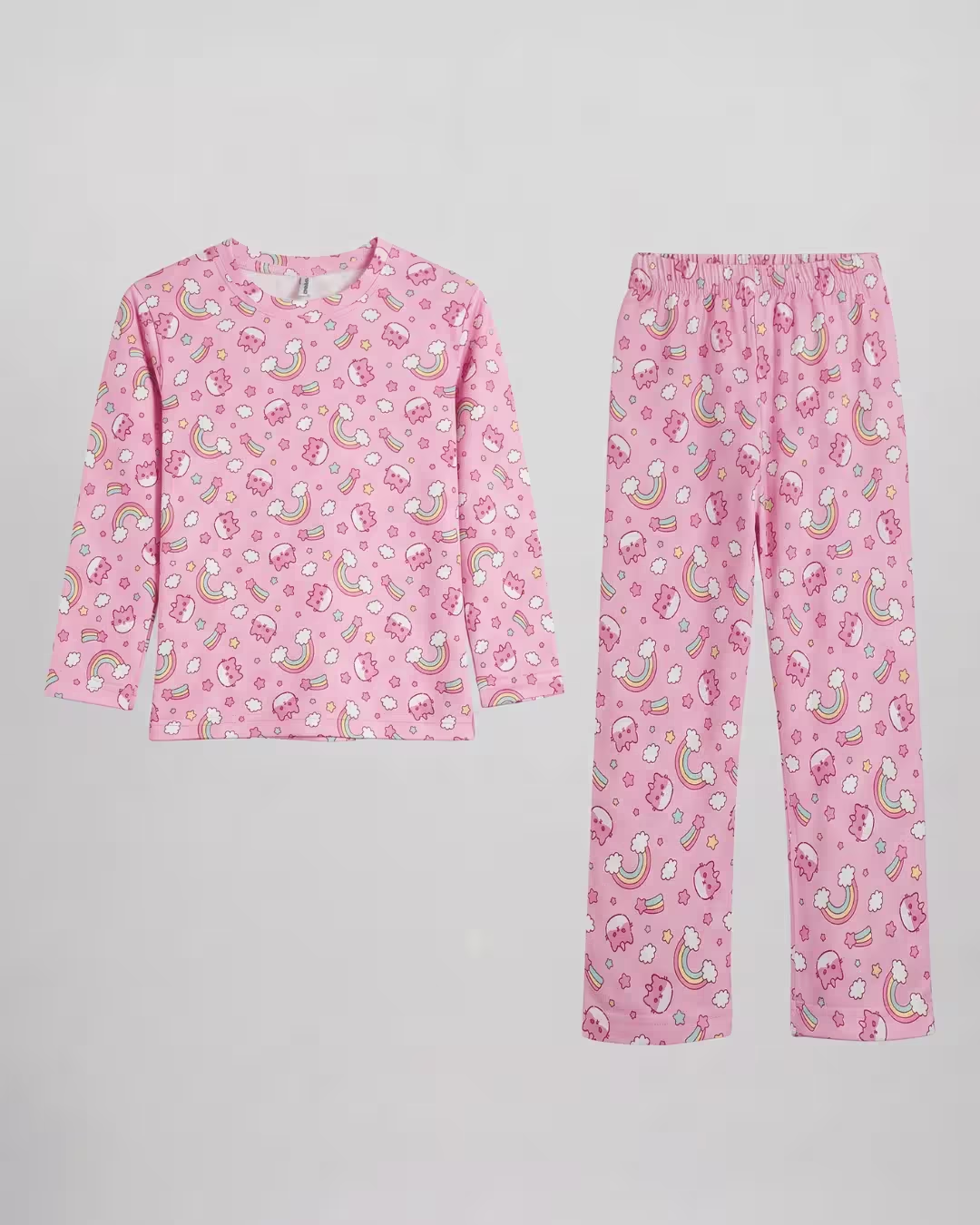
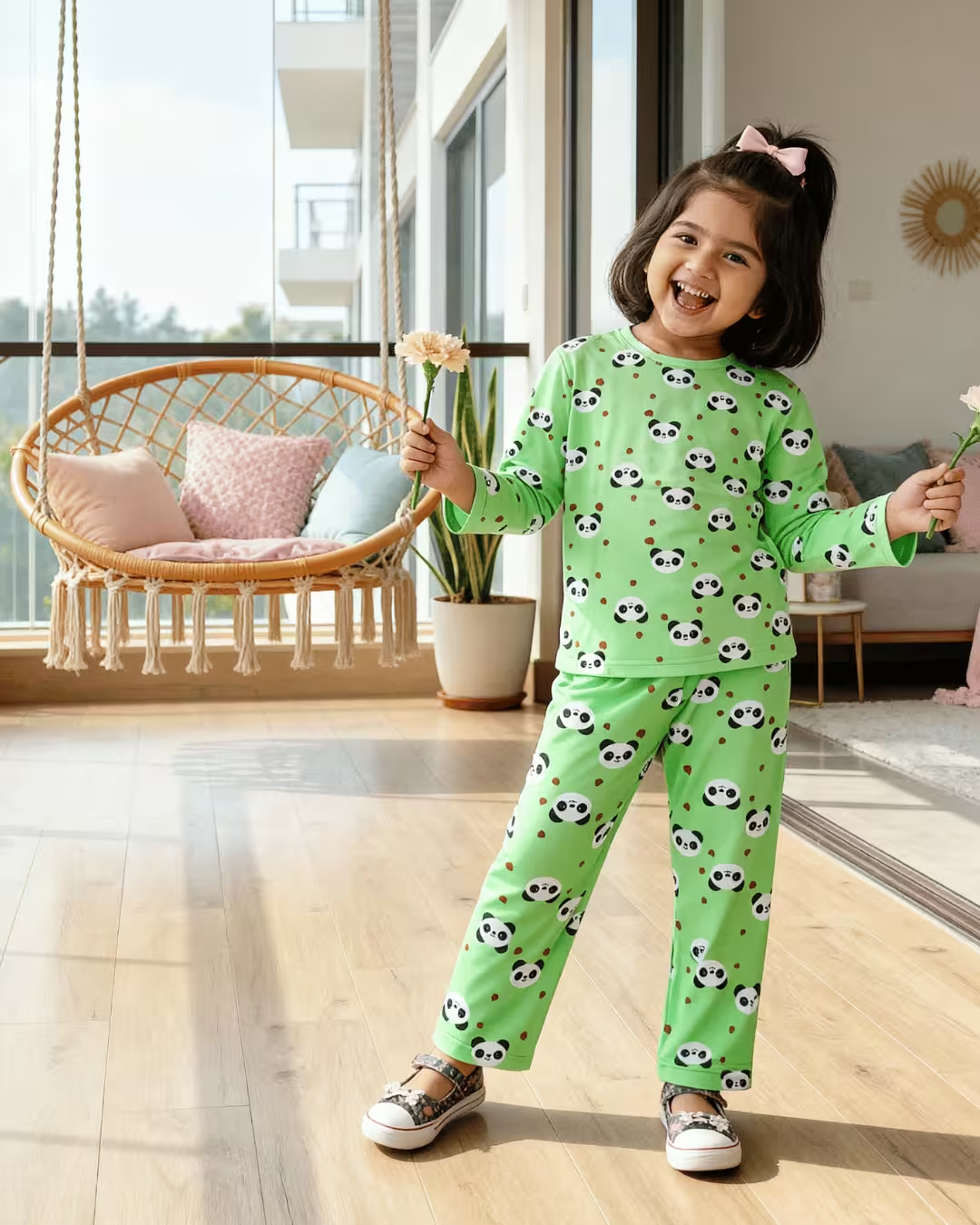
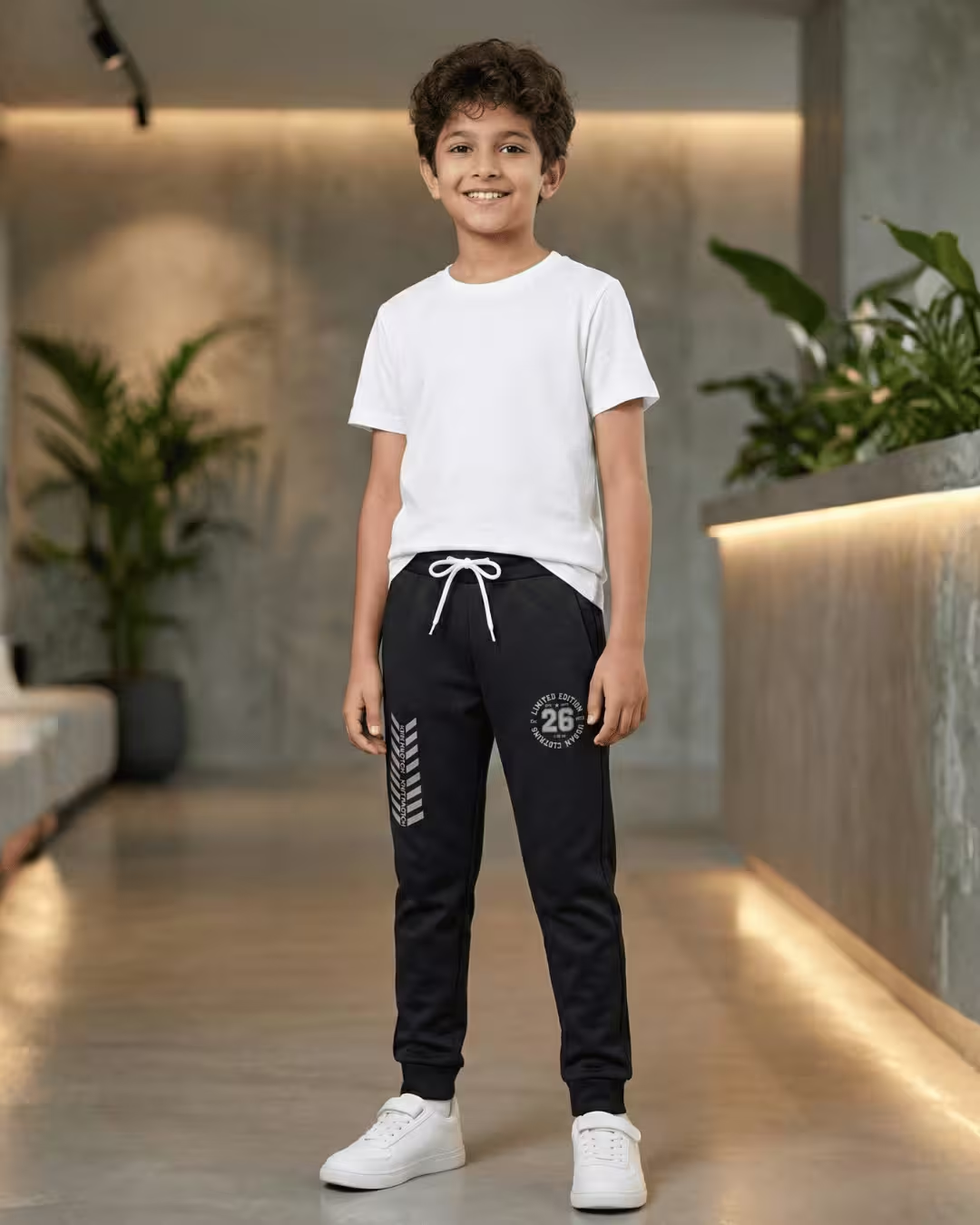
Cotton vs. Synthetic Fabrics for Kids: Why Breathable Cotton Wins Every June June is India's hardest month to dress children for — pre-monsoon heat between 38–44°C, humidity climbing fast, and kids still outdoors on summer break. The fabric they wear this month makes a real difference. The core problem with synthetics is simple: polyester fibres are essentially plastic threads that trap sweat against the skin. In June's heat-plus-humidity combination, moisture has nowhere to go. The result is prickly heat, skin irritation, and general discomfort — especially for children running around outside. Cotton works differently because its fibres are naturally hollow, moving sweat away from skin and allowing it to evaporate. It softens with every wash, doesn't build static, and handles both coastal humidity (Mumbai, 85–92%) and dry inland heat (Nagpur, Amravati, 42°C+) better than any synthetic alternative. The blend trap catches many parents — a 60/40 cotton-polyester blend is not close enough. You need 90–95% cotton minimum to get real breathability benefits in June conditions. The care label is the quickest tell: if it says "do not tumble dry high heat," it's synthetic-dominant. For June specifically, lighter cotton (120–180 GSM) in jersey weave is ideal. Combed cotton is worth the slight premium for daily-wear items. The price gap between good Indian cotton brands and synthetic alternatives is smaller than most people assume — and a shirt that causes heat rash isn't actually saving money. The bottom line: Check the label. Buy 100% cotton. Buy enough of it to rotate through the hottest month of the year without rewashing every two days.
Read More →
